ahrefs verification dic

Milling Reduction Socket

Milling Reduction Socket

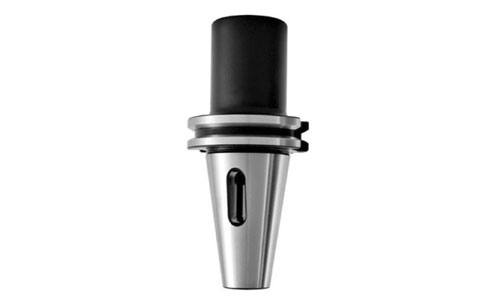
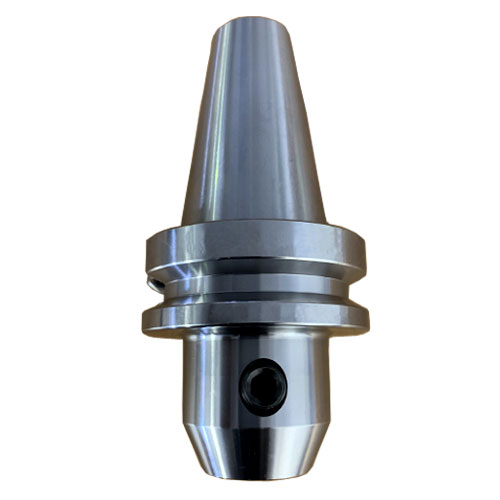
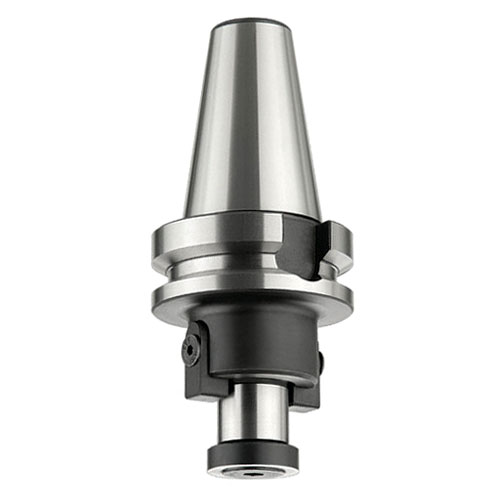
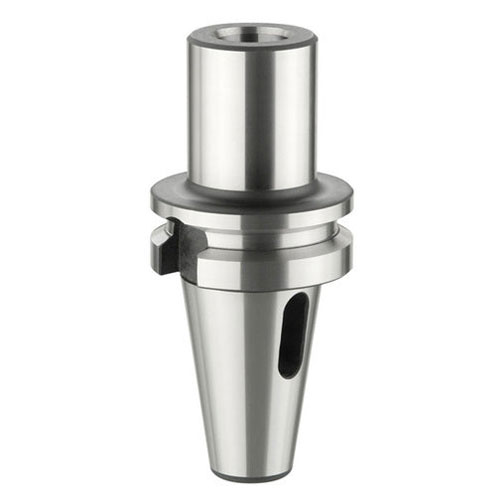
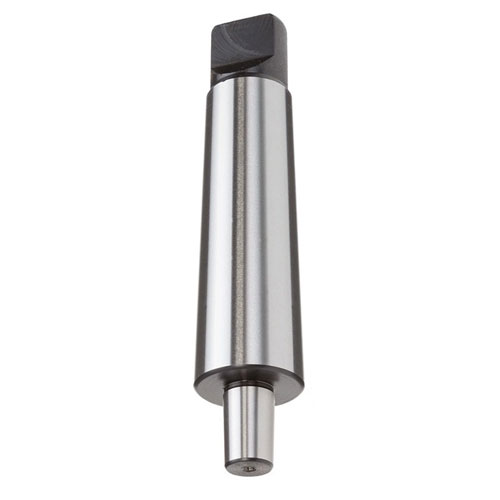
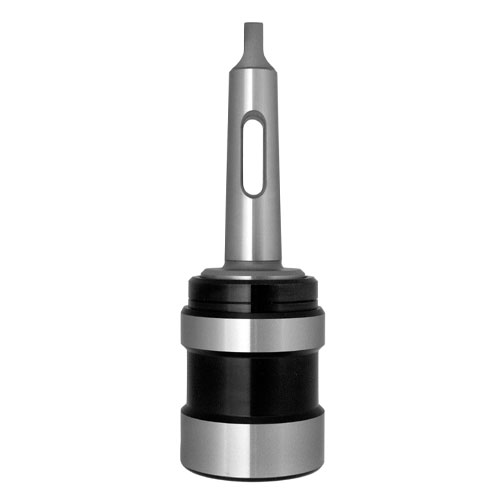
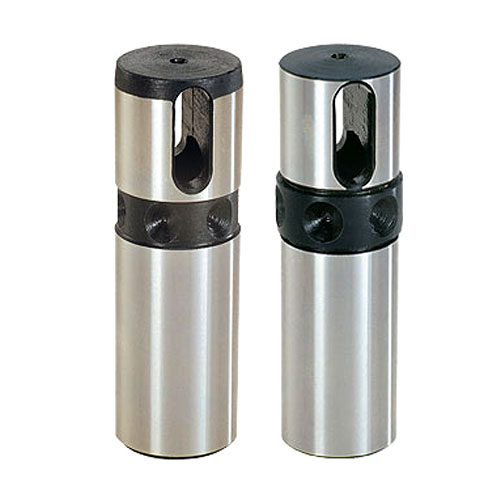
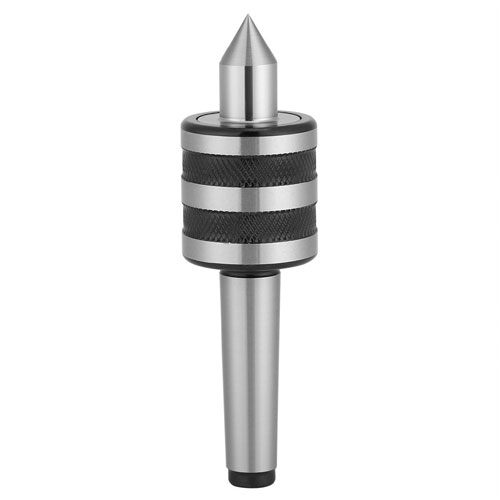
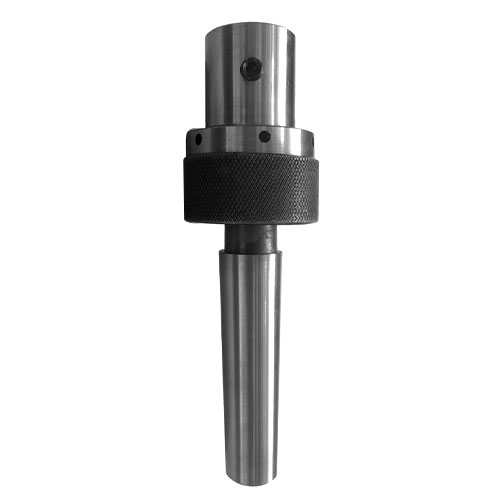
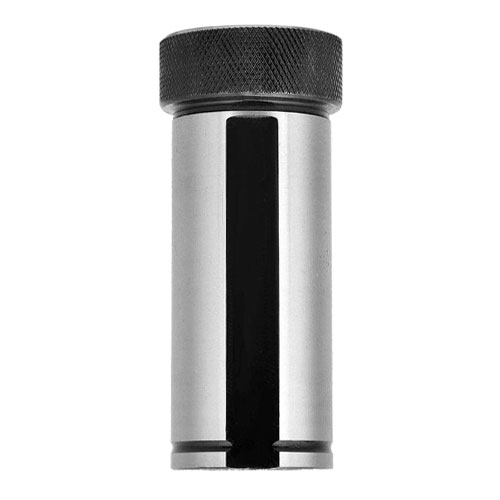
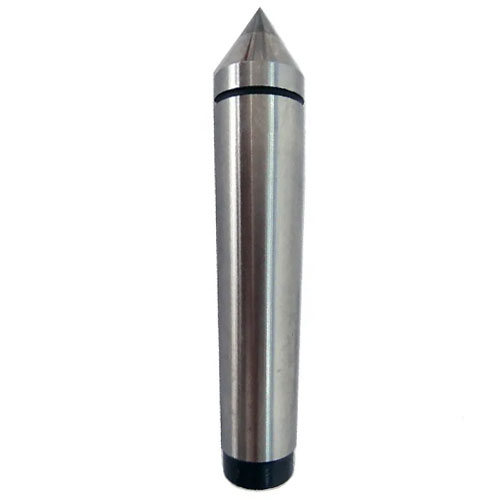
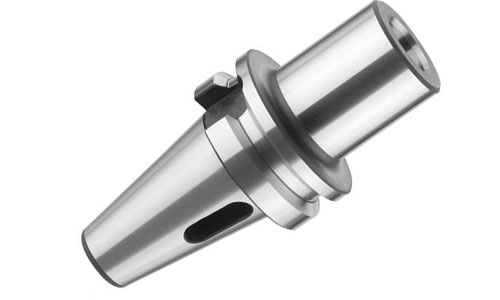
DIC offers high-quality Milling Reduction Sockets built for durability and reliable performance. All our products undergo strict quality control measures at every production stage, from material selection to final inspection. We ensure each socket meets high standards so you can count on them for consistent, long-lasting use. These are available in various sizes and configurations to suit multiple machines and tool specifications. The purpose of a Milling Reduction Socket is to adapt tools with a smaller Morse taper to fit into a machine spindle with a larger taper.

For more information or to discuss your specific requirements, Contact Us today or request a quote.

Technical Specification
Type Taper Shank to Taper Shank Adapter
Standard DIN / ISO Standard (as applicable)
Hardness 58–62 HRC (Hardened & Tempered)
Taper Type (Outer) Morse Taper (MT1 to MT6)
Taper Type (Inner) Morse Taper (MT1 to MT5)
Application Reducing spindle taper size in milling machines
Surface Finish Precision Ground
Usage Milling Machines, Drill Press, CNC Machines
Customization Available
Precision Engineering That Connects Power with Accuracy
  • Our expertise lies in designing milling reduction sockets that ensure perfect spindle-to-tool compatibility, maintaining concentricity, reducing runout, and delivering stable torque transmission for high-speed and heavy-duty milling operations across diverse industrial machining environments.
  • With deep process knowledge, we manufacture reduction sockets using high-grade material, controlled heat treatment, and precision grinding to achieve consistent internal taper accuracy, smooth surface finish, and long service life under continuous machining stress.
  • Advanced machining practices allow us to control micro-tolerances in bore dimensions and taper angles, ensuring reliable seating, vibration resistance, and repeatable accuracy even during extended production cycles in demanding CNC milling applications for milling reduction sockets.
  • At DIC Tools, skilled engineers focus on optimizing wall thickness and structural balance so milling reduction sockets maintain strength without excess weight, supporting stable cutting performance while minimizing spindle load and thermal distortion during prolonged machining operations.
  • Our quality-driven expertise includes multi-stage inspection, taper gauge verification, hardness testing, and concentricity checks to ensure every milling reduction socket meets strict dimensional accuracy and performance reliability expectations before final dispatch.
  • Continuous improvement practices help us refine socket designs for better chip flow clearance, enhanced tool holding stability, and reduced tool slippage, supporting smoother milling performance and improved surface finish across various workpiece materials.
  • Dedicated Impex Co. understands real-world machining challenges, enabling us to develop milling reduction sockets that withstand shock loads, intermittent cutting forces, and frequent tool changes without compromising alignment or operational consistency.
  • Our engineering team collaborates closely with machinists and distributors to deliver application-specific milling reduction sockets that balance strength, accuracy, and durability, ensuring dependable performance in both standard and customized machining setups.
One Connection Solution for Multiple Machining Needs
  • Milling reduction sockets are widely used in CNC machining centers to adapt different spindle sizes, allowing flexible tool usage while maintaining precision alignment, torque transfer efficiency, and stable milling performance in both roughing and finishing operations.
  • In automotive component manufacturing, reduction sockets support high-volume milling of engine blocks, housings, and transmission parts, ensuring consistent tool positioning and dimensional accuracy throughout repetitive, high-speed production cycles.
  • Dedicated Impex offers milling reduction sockets for aerospace machining applications, enabling precision milling of aluminum and alloy components with low runout, excellent vibration control, and secure tool holding to achieve tight tolerances and superior surface finishes.
  • General engineering workshops use reduction sockets to maximize machine utilization by adapting existing tooling inventories, reducing setup time, and enabling efficient machining of diverse components without frequent spindle or tool holder changes with improved productivity and flexibility.
  • Heavy engineering and fabrication industries benefit from robust reduction sockets that handle high torque loads during large-part milling, ensuring stable cutting performance and minimizing spindle wear in demanding industrial environments.
  • Tool rooms and mold-making industries depend on milling reduction sockets for accurate tool positioning, supporting intricate cavity milling, contouring, and precision finishing operations with reliable repeatability.
  • In DIC Tools supply networks, milling reduction sockets are widely used by exporters and distributors serving global machining industries, offering compatibility across various international spindle standards and machine configurations while ensuring consistent quality, reliability, and performance.
  • Maintenance and job-shop machining operations utilize reduction sockets to extend machine versatility, allowing quick adaptation to different milling cutters while maintaining machining accuracy, productivity, and operational safety.
Professional Presentation That Reflects Industrial Quality
  • Our OEM packaging solutions for milling reduction sockets focus on protective strength, using impact-resistant boxes and precision-fitted internal supports to prevent surface damage, corrosion, or taper distortion during storage, handling, warehousing, and long-distance transportation.
  • Branding options include custom-labelled cartons, logo-printed sleeves, barcode tags, and clear product identification markings that help distributors present milling reduction sockets as premium, professional-grade components in highly competitive industrial tooling markets.
  • Each packaging design ensures clear product identification, size markings, material details, and technical information, helping end users quickly recognize compatibility details while maintaining a clean, organized, professional, and high-quality product presentation.
  • We support private branding requirements with consistent packaging aesthetics, color themes, and layout standards, enabling businesses to maintain uniform brand identity across their tooling range while delivering milling reduction sockets that reflect reliability and engineering precision.
  • DIC Tools carefully selects packaging materials to resist moisture, dust, vibration, and handling stress, ensuring milling reduction sockets reach customers in perfect condition, ready for immediate use without additional cleaning, rework, or inspection.
  • Our OEM branding flexibility allows customized packaging quantities, box sizes, language preferences, and labelling formats, supporting both domestic and international distribution strategies for industrial tooling partners and resellers while enhancing brand consistency, product visibility, and professional market presentation.
  • At Dedicated Impex, packaging solutions for milling reduction sockets are developed with a careful balance of protection and presentation, reinforcing brand credibility while ensuring practical handling, stacking efficiency, and ease of identification for warehouses, distributors, and end-user workshops.
  • Every branded package is designed to enhance customer trust, communicate product value clearly, protect machining accuracy, and support long-term brand recognition across global machining, manufacturing, and industrial supply chains, reinforcing reliability, professional appearance, and consistent brand identity at every stage.

Product FAQ's

1. What material is used to manufacture Milling Reduction Sockets?

Milling reduction sockets are manufactured using high-strength engineered construction for heavy-duty machining. This provides good wear resistance, durability, and reliable performance under repeated machining loads while maintaining accuracy and stability over long-term use.

2. What is the main purpose of using a milling reduction socket?

The primary purpose is to enable compatibility between different spindle sizes and tool holders, allowing machinists to use existing tools efficiently while maintaining machining accuracy and stability, improving overall machine utilization and reducing tooling costs.

3. How does a milling reduction socket affect machining accuracy?

A precision-ground reduction socket maintains concentricity and minimizes runout between the spindle and cutting tool, ensuring stable cutting performance, consistent dimensional accuracy, and reduced vibration through proper taper contact during milling.

4. Are milling reduction sockets suitable for heavy-duty milling?

Milling reduction sockets are suitable for heavy-duty milling when designed with adequate wall thickness and material strength, allowing them to handle high torque loads and intermittent cutting forces while ensuring stable performance in demanding applications.

5. Can Milling Reduction Sockets be customized?

Yes, customization is available at Dedicated Impex for taper size, length, special tolerances, and custom branding options, ensuring the milling reduction socket precisely supports specific machine configurations and tooling requirements.

6. Do milling reduction sockets affect tool life?

Yes, accurate tool holding reduces vibration and uneven cutting forces, resulting in improved tool life, consistent machining quality, and reliable cutting performance, while reduced runout also minimizes premature tool wear and extends overall tooling efficiency.

7. What tolerance levels are maintained in Milling Reduction Sockets?

DIC is a milling reduction socket manufacturer that maintains strict dimensional tolerances for accurate tool seating, uses precision grinding for consistent inner and outer diameters to improve machining reliability, and supplies export-quality sockets meeting ISO-aligned quality benchmarks.

8. Why choose Milling Reduction Sockets for industrial milling?

They offer flexibility, precision, and durability, making them suitable for diverse milling applications while optimizing tooling investment and supporting the requirements of modern high-performance industrial machining needs.

9. Do you export Milling Reduction Sockets worldwide?

Dedicated Impex Co. supplies milling reduction sockets to major industrial markets worldwide, supports global logistics for smooth deliveries, ensures export-grade packaging for safe transportation, and strictly follows international quality and compliance standards.

10. How should milling reduction sockets be maintained?

They should be kept clean and free from chips, dust, and corrosion, with regular inspection of taper surfaces to maintain accuracy, while proper storage protects the socket from damage, wear, and long-term performance loss.

Need Additional Support?

If you didn’t find the information you’re looking for, please connect with our DIC Tools specialists for expert assistance. Our team is ready to support you with product selection, technical guidance, and export inquiries.
📩 Get Expert Tooling Support