Product FAQ's
1. What is a thread milling cutter and how does it work?
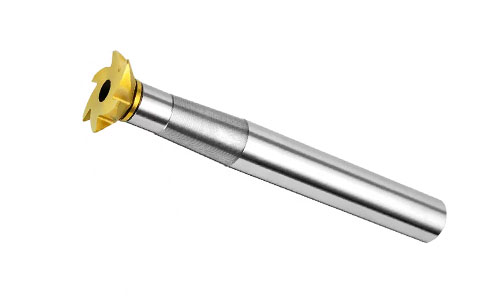
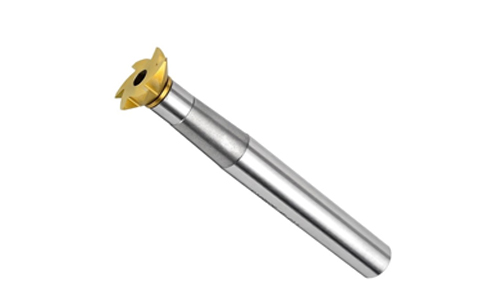
A thread milling cutter is a precision CNC cutting tool used to produce internal and external threads through helical interpolation. It gradually cuts the thread profile, ensuring high accuracy, improved surface finish, and reduced risk of tool breakage compared to tapping.
2. What are the advantages of thread milling compared to tapping?
Thread milling offers higher flexibility, better tool life, and improved thread accuracy. It allows multiple thread sizes with one tool, reduces tool breakage risk, improves chip evacuation, and works efficiently on difficult materials using CNC machining centers.
3. Can a thread milling cutter produce both internal and external threads?
Yes, thread milling cutters are designed to produce both internal and external threads using CNC interpolation. This capability reduces tooling requirements, improves machining efficiency, and allows manufacturers to perform multiple threading operations using a single tool.
4. What thread standards can a thread milling cutter produce?
Thread milling cutters can produce various thread standards including metric 60° threads, imperial 55° threads, and other custom thread profiles. They are widely used in industries requiring high precision threading across multiple international standards.
5. What materials can be machined using a thread milling cutter?
Thread milling cutters can machine a wide range of materials including carbon steel, stainless steel, alloy steel, cast iron, aluminum alloys, and other engineering materials, making them suitable for automotive, aerospace, oil and gas manufacturing applications.
6. Why is thread milling preferred for large pitch threads?
Thread milling is ideal for large pitch threads because it provides better chip evacuation, reduced cutting forces, and improved stability during machining. This results in higher thread accuracy, better surface finish, and longer tool life.
7. What machines are required for thread milling operations?
Thread milling requires CNC machines capable of helical interpolation. CNC machining centers allow precise control of tool movement, enabling accurate thread generation with excellent surface finish and consistent thread profile quality.
8. How does thread milling improve tool life and productivity?
Thread milling improves productivity by reducing cutting stress and distributing cutting forces gradually along the tool path. This results in longer tool life, fewer tool failures, and more reliable machining performance in high-volume manufacturing.
9. Can thread milling cutters be customized for special applications?
Yes, thread milling cutters can be customized for special diameters, pitches, thread profiles, and tool lengths. Custom tooling solutions help manufacturers achieve precise threading results for unique industrial components and specialized machining requirements.
10. What industries commonly use thread milling cutters?
Thread milling cutters are widely used in industries such as automotive, aerospace, oil and gas, heavy engineering, mold manufacturing, and precision machining where accurate internal and external threading is essential for mechanical assemblies and structural components.