Product FAQ's
1. Which materials are used to manufacture Veneer Knives?
Veneer Knives are commonly produced from alloy tool steel, high-speed steel (HSS), or stainless steel depending on the application. These materials provide high strength, wear resistance, and durability. Proper material selection ensures long service life, stable cutting performance, and efficient wood peeling in plywood production.
2. What hardness range do veneer knives have?
Veneer Knives generally have a hardness range of 58 to 62 HRC, which provides an ideal balance between sharp cutting performance and durability. This hardness level helps maintain a strong cutting edge, reduces wear during continuous wood peeling, and ensures stable performance in plywood and veneer production operations.
3. Why is cutting edge straightness important in Veneer Knives?
Cutting edge straightness ensures uniform veneer thickness and smooth surface quality, as a straight edge prevents uneven cuts, machine vibration, and surface defects in veneer sheets while maintaining strict straightness tolerance helps improve machine efficiency and ensures consistent veneer production in plywood and wood processing operations.
4. What thickness range is available for Veneer Knives?
Veneer Knives are commonly manufactured with thickness ranging from 12 mm to 20 mm, and this thickness plays an important role in maintaining cutting strength and stability during operation while helping ensure accurate cutting performance, preventing blade bending during log peeling, and improving durability in high-volume wood processing operations.
5. Are veneer knives suitable for different wood types?
Veneer Knives are suitable for processing different wood types including softwood and hardwood used in plywood manufacturing. Their strong cutting edges and precise geometry allow smooth peeling of logs while maintaining consistent veneer thickness, ensuring reliable performance and efficient veneer production in wood processing operations.
6. How does hardness affect veneer knives performance?
Hardness plays an important role in veneer knives performance because it determines the cutting edge strength and wear resistance. Proper hardness helps the knives maintain sharpness during continuous wood peeling, reduces edge wear, and ensures stable cutting performance while producing smooth and uniform veneer sheets in plywood manufacturing operations.
7. Are Veneer Knives available in standard and custom sizes?
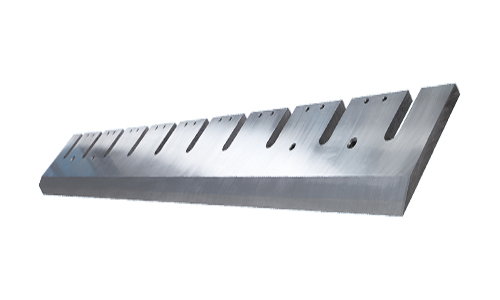
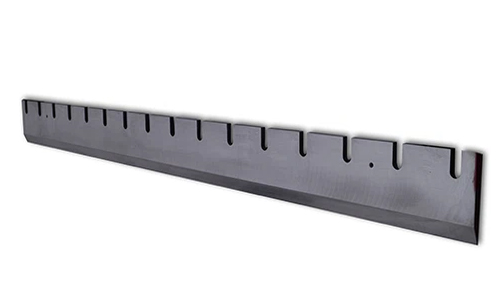
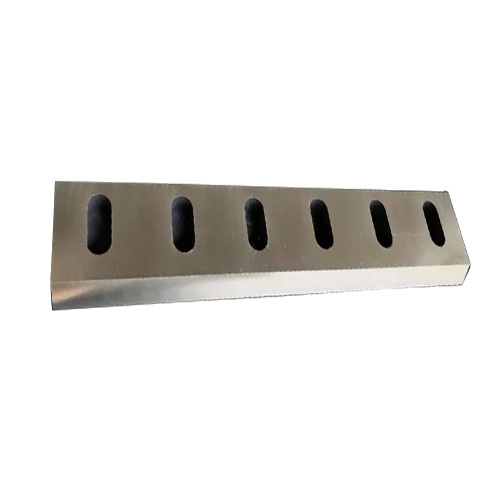
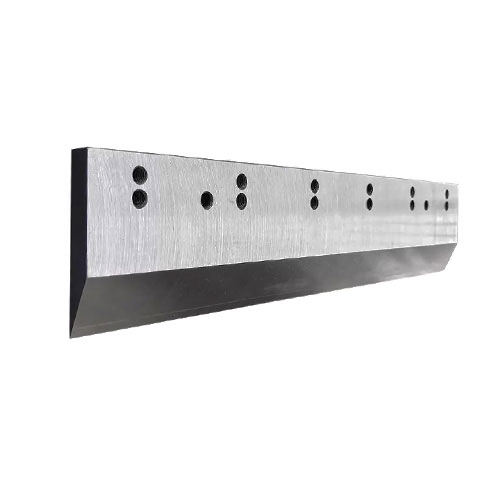
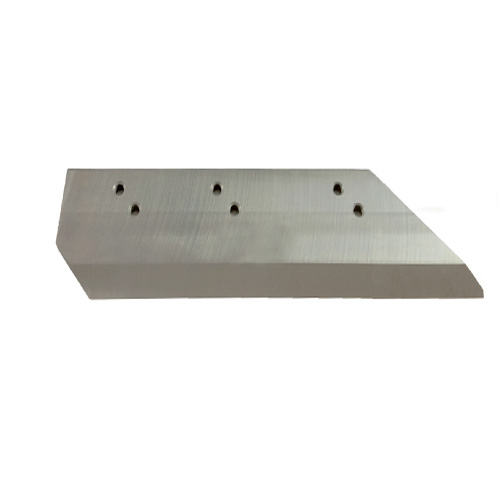
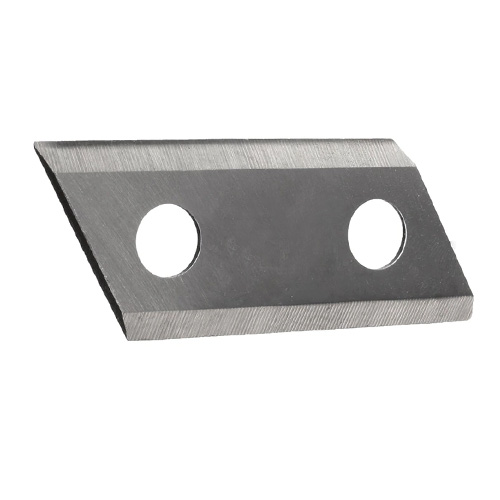
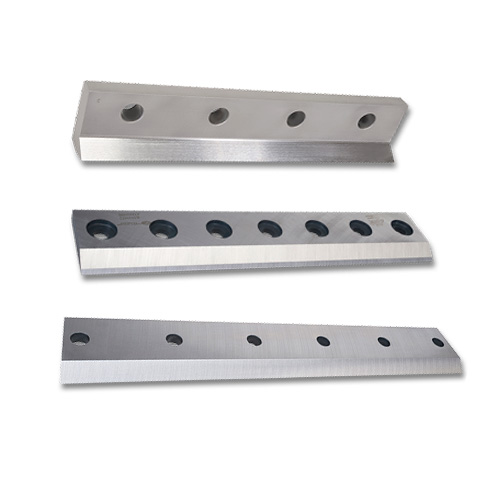
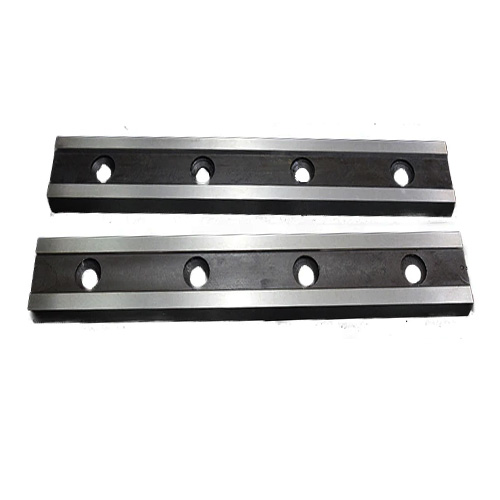
Yes, DIC provides Veneer Knives in both standard and custom sizes to suit different veneer peeling machines and production requirements. Dimensions such as length, width, thickness, and hole patterns can be manufactured according to machine specifications, ensuring proper fitting, stable cutting performance, and efficient veneer production.
8. What quality checks are performed on Veneer Knives?
We perform strict quality checks on Veneer Knives including dimensional inspection, hardness testing, cutting edge straightness verification, and surface finish evaluation. These quality control processes ensure accurate blade geometry, consistent hardness, and reliable cutting performance, helping maintain high efficiency and uniform veneer production in wood processing operations.
9. Are OEM services available for Veneer Knives?
Dedicated Impex is a Veneer Knives manufacturer providing OEM and private labelling options, where specifications can be customized according to brand requirements to ensure consistent product supply while supporting OEM partnerships through dedicated veneer knives export programs designed for distributors and brand-specific manufacturing needs.
10. Do you export Veneer Knives worldwide?
Yes, Veneer Knives are supplied to customers worldwide with strict quality inspection, accurate dimensions, and reliable hardness control, while protective export packaging ensures safe transportation and maintains blade condition during long-distance industrial shipments.