Product FAQ's
1. Why are stub drills preferred for precision drilling operations?
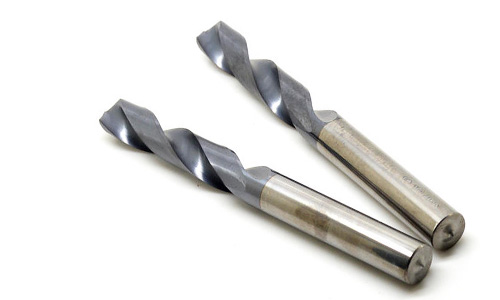
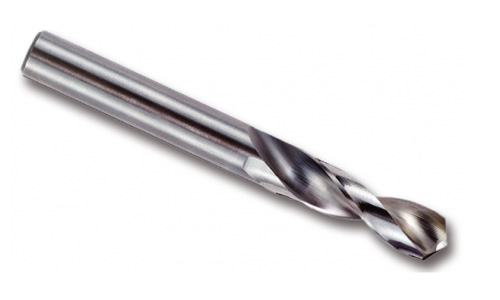
Stub drills have a shorter overall length compared to standard drills, which increases tool rigidity and reduces vibration during machining. This design helps maintain dimensional accuracy, improves hole quality, and allows higher cutting speeds, making them suitable for demanding CNC and industrial drilling applications.
2. What diameter range is available for Solid Carbide Stub Drills?
Solid Carbide Stub Drills are generally available in a diameter range from approximately 0.5 mm to 20 mm. This wide range allows machinists to perform both micro drilling and medium diameter drilling operations across multiple industrial machining and manufacturing applications.
3. What is the typical helix angle used in stub drills?
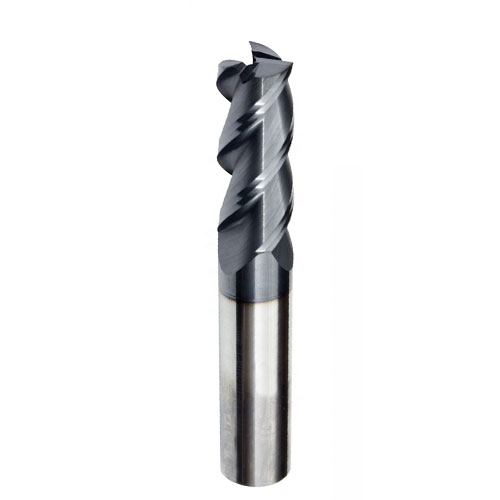
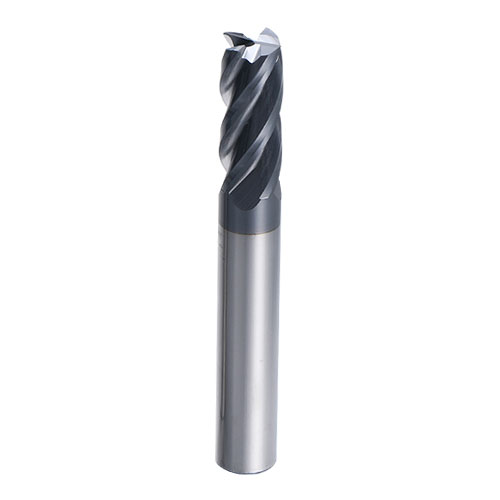
Solid Carbide Stub Drills typically feature a helix angle ranging from 15° to 30°. This helix geometry supports efficient chip evacuation, reduces cutting resistance, and ensures smoother drilling performance across different materials commonly used in industrial machining processes.
4. How do coatings extend the life of carbide drills?
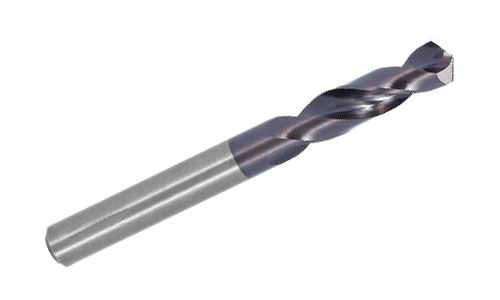
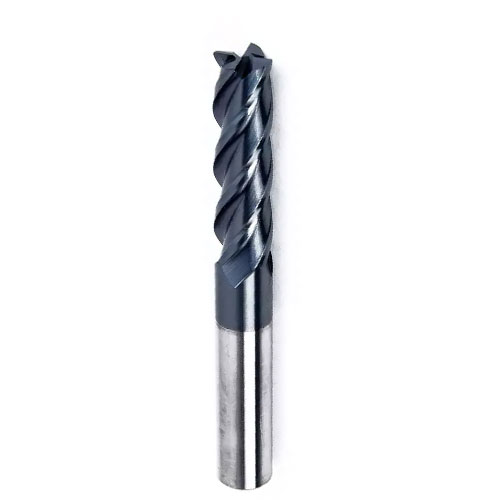
Coatings such as TiAlN, AlTiN, and TiN form a protective surface layer on Solid Carbide Stub Drills that reduces friction, improves heat resistance, and protects the cutting edge from wear, allowing the drill to maintain sharpness longer while significantly increasing durability and overall tool life during demanding drilling operations.
5. Can carbide stub drills increase machining productivity?
Yes, their ability to operate at higher cutting speeds while maintaining longer tool life helps reduce machine downtime, improve drilling efficiency, and increase overall productivity in industrial machining environments where consistent performance, reliable cutting stability, and extended tool durability are important for high-volume manufacturing operations.
6. How do stub drills reduce vibration during drilling?
Stub drills reduce vibration during drilling because their shorter overall length increases tool rigidity and structural strength, which minimizes deflection and chatter, resulting in more stable cutting performance, improved drilling accuracy, better hole quality, and consistent dimensional control in precision machining applications.
7. How does chip evacuation affect drilling performance?
Efficient chip evacuation prevents chips from clogging inside the drill flutes, reduces cutting resistance, maintains smooth drilling motion, improves hole quality and machining stability, and protects the cutting edges from excessive heat and premature wear during continuous drilling operations.
8. Do you export Solid Carbide Stub Drills worldwide?
Yes, DIC exports Solid Carbide Stub Drills worldwide and serves global customers through a reliable distribution network, ensuring secure packaging, consistent quality standards, timely international shipping, and dependable supply support for manufacturers, distributors, and industrial machining companies across multiple countries.
9. Do you offer special branding for Solid Carbide Stub Drills?
Yes, Dedicated Impex offers special branding options for Solid Carbide Stub Drills, allowing customers to customize product labelling, logo marking, and packaging presentation according to their brand identity, helping distributors and industrial suppliers present products professionally while maintaining consistent quality standards and reliable global supply support.
10. Are custom Solid Carbide Stub Drills available?
Customization options are commonly available for Solid Carbide Stub Drills, including special diameters, lengths, coatings, and geometry configurations to meet specific machining requirements, helping improve drilling accuracy, optimize cutting performance, and ensure reliable results for specialized industrial manufacturing and precision machining applications.