Product FAQ's
1. What types of materials can Solid Carbide 4 Flute End Mills machine efficiently?
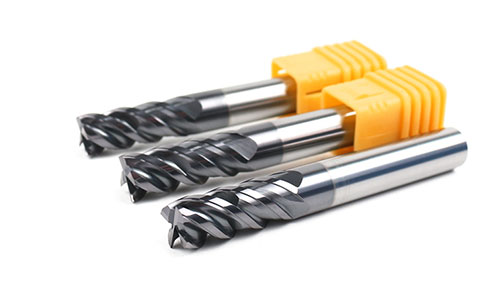
Solid Carbide 4 Flute End Mills are designed to machine a wide range of industrial materials including steel, stainless steel, cast iron, titanium, and high-temperature superalloys, providing stable cutting performance, reliable dimensional accuracy, and smooth surface finish in demanding CNC milling operations.
2. What is the typical flute configuration in a 4 flute end mill?
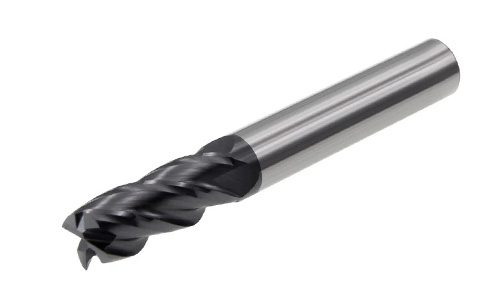
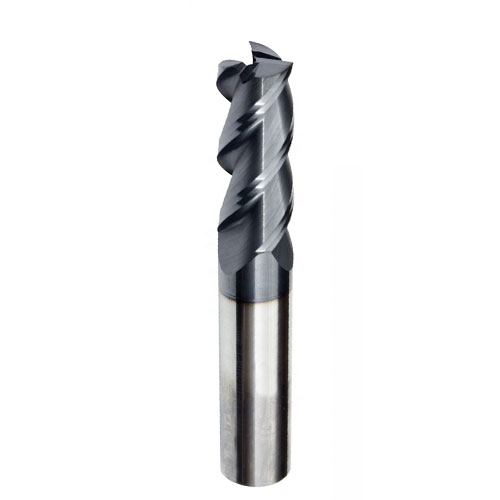
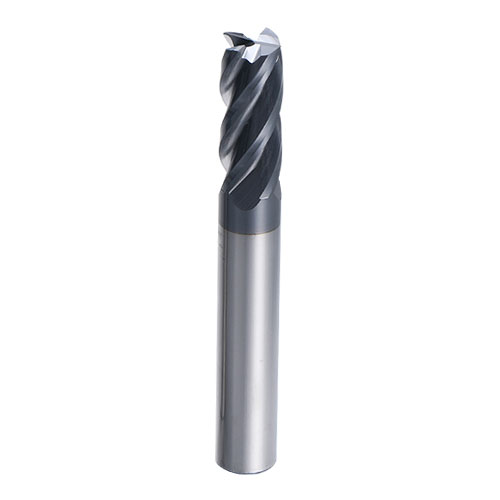
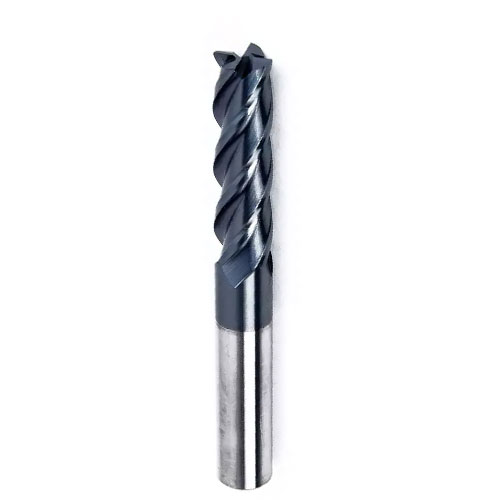
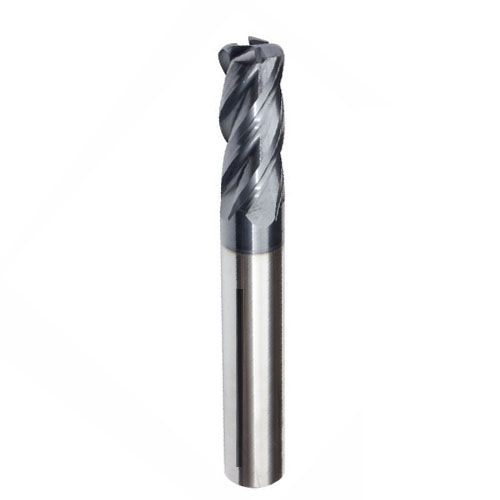
The 4-flute configuration provides balanced cutting performance and improved tool stability during CNC milling operations. This design allows higher feed rates, smoother cutting engagement, and improved surface finish compared to lower flute designs, making it suitable for precision machining and high-efficiency milling applications.
3. What advantages does a 4 flute design provide in CNC machining?
The 4-flute design increases cutting edge engagement, improves machining stability, supports higher feed rates, and helps achieve smoother surface finish with consistent dimensional accuracy during CNC milling operations in industrial production environments.
4. What diameter range is available for Solid Carbide 4 Flute End Mills?
Solid Carbide 4 Flute End Mills are commonly available in diameter ranges from 1 mm to 20 mm or larger depending on industrial requirements. This wide diameter availability allows machining companies to select appropriate sizes for precision milling, detailed component machining, and general CNC production operations.
5. What corner styles are available in Solid Carbide 4 Flute End Mills?
Solid Carbide 4 Flute End Mills are available in square end, corner radius, and chamfer edge designs, allowing machinists to choose the appropriate geometry for precise edge cutting, improved durability, reduced stress on cutting edges, and reliable milling performance in various CNC machining applications.
6. Are custom sizes available for Solid Carbide 4 Flute End Mills?
Yes, Dedicated Impex Co. provides custom size manufacturing for Solid Carbide 4 Flute End Mills, allowing customers to order special diameters, flute lengths, and overall lengths according to specific machining requirements, ensuring reliable cutting performance and precise compatibility with various CNC milling applications.
7. How does flute count influence milling performance?
Flute count affects chip evacuation, feed rate capability, cutting stability, and surface finish quality during CNC milling operations, where a four-flute design generally provides improved cutting balance, better machining control, higher productivity, and smoother finishing performance compared to lower flute configurations used in industrial milling applications.
8. What role does helix angle play in milling cutters?
The helix angle influences chip flow, cutting smoothness, heat reduction, and vibration control during CNC milling operations, where an optimized helix geometry improves chip evacuation, enhances cutting stability, maintains consistent tool engagement, and supports efficient high-precision machining performance in industrial manufacturing environments.
9. How do Solid Carbide 4 Flute End Mills support consistent industrial production?
Solid Carbide 4 Flute End Mills support consistent industrial production by providing reliable cutting stability, durable carbide strength, precise cutting geometry, and efficient chip evacuation, which together help maintain continuous machining performance and repeatable accuracy in high-volume CNC manufacturing environments.
10. In which countries are Solid Carbide 4 Flute End Mills exported?
DIC exports Solid Carbide 4 Flute End Mills to many industrial markets including the United States, Dubai, Qatar, Germany, Italy, the United Kingdom, Canada, UAE, Saudi Arabia, New Zealand, Thailand, Oman, Australia, and many other countries, supporting global distributors, CNC machining companies, and precision engineering manufacturers.